
When I was studying psychology, I once asked several elderly couples what they believed was the secret to a long and lasting marriage. Their answers were remarkably similar. They spoke about commitment, forgiveness, patience, friendship, and the decision to keep working through difficult seasons.
But one couple expressed it especially well:
“We stayed together because we promised each other that we would. We may not have liked each other—in fact, for 10 years we lived together and never uttered a single word to each other out of protest. But in the end, that was the person I chose to have all the hard life lessons with. We chose stubbornness for 10 years, and then, one day, we chose each other again.”
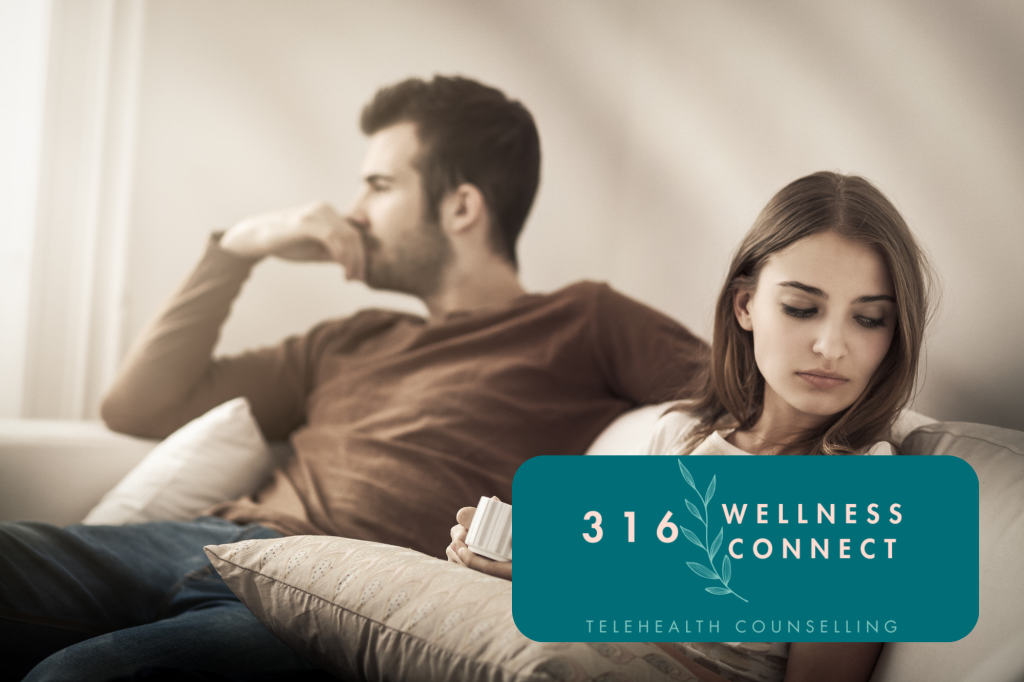
Their story is not a recommendation to tolerate silence, resentment, or emotional disconnection. Ten years of not speaking would be deeply painful in most relationships. Instead, it highlights something important: long-term relationships are shaped not only by feelings, but also by repeated choices and behaviours.
At the beginning of a relationship, attraction and excitement may come naturally. Over time, however, relationships often require more intentional effort. Stress, grief, trauma, parenting, financial pressure, mental health difficulties and unresolved conflict can all affect the way partners communicate and connect.
Research on long-term relationships consistently points to the importance of patterns such as:
This does not mean that one person should carry the entire relationship. Healthy commitment is mutual. It does not require someone to remain in a relationship involving intimidation, abuse, coercive control, or ongoing harm. In those circumstances, safety and specialist support must come first.
A useful way to think about it is this: Lust is a feeling. Love is an action.
Lust may happen spontaneously. Love is often expressed through the ongoing decision to listen, repair, communicate honestly, respect boundaries and act in ways that protect the relationship.
Choosing (and re-choosing) your partner each day does not mean ignoring serious problems. What it does mean is that you are choosing to face the problems honestly, with integrity, whilst maintaining safety for each other.
Sometimes healing begins with a small decision:
You do not have to wait until a relationship reaches breaking point before seeking help. Individual counselling can provide confidential space to explore relationship patterns, attachment experiences, relationship trauma, emotional responses and behaviours that may be affecting the way you connect with others.
At 316 Wellness Connect, we offer individual counselling for relationship difficulties, relationship trauma, and behaviour change. Appointments are available Australia-wide via telehealth, from the comfort of your own home.
If you are ready to better understand your relationship patterns and work towards healthier ways of connecting, book your first appointment today.